Moving house is often sold as a finish line. The boxes arrive. The keys change hands. The door closes behind you. But in reality, moving is just the start of another transition.
A new home brings possibility, but it can also bring pressure — to unpack everything quickly, to fill every corner, to make it feel “done” before you’ve had a chance to breathe.
Setting up your new home doesn’t need to be rushed or cluttered to feel complete. When you approach your new home checklist slowly and intentionally, it can feel like a reset rather than another stressful task.
This guide is about creating calm from day one — unpacking in stages, avoiding clutter creep, and using storage as a buffer while you work out what truly belongs in your next chapter. We’ll give you minimalist tips so you can achieve a dream home makeover.
First things first: give yourself permission to go slow
Before unpacking, organising cupboards, and deciding where everything should live.
Pause.
New homes carry emotional weight. Excitement, relief, uncertainty, sometimes even grief for what’s been left behind. All of that is normal.
You don’t need to unpack your entire life in the first week to feel settled. In fact, trying to do so often creates the opposite effect — cluttered rooms, rushed decisions, and a space that feels full but not right. You’re allowed to move in gently.
Step 1: Unpack only what supports daily life
When everything arrives at once, it’s tempting to unpack everything at once. That’s where clutter often begins.
Instead of asking, “Where does this go?”
Try asking, “Do I need this right now?”
Focus first on what supports your everyday routines:
- Clothing you wear regularly
- Kitchen basics you use
- Toiletries and medications
- Work or study essentials
- A few personal items that make the space feel familiar
Everything else can wait.
This approach creates usable rooms quickly without filling them with things that don’t yet have a purpose. It also gives you space to notice how your new home works — where light falls, which rooms you gravitate towards, and how much storage you really need.
Step 2: Set up your home in stages, not all at once
Homes don’t need to be finished to be functional.
Setting up in stages gives you control. You can live in the space before deciding how it should look or what it should hold.
A simple way to think about it:
- Stage one: essentials only
- Stage two: furniture and storage that fits how you live
- Stage three: décor, extras, and finishing touches
This is where storage can make a real difference. By storing non-essential items nearby, you avoid cluttering rooms just to “get everything unpacked”.
You can bring items back when they have a place — not because there’s nowhere else for them to go.
Step 3: Avoid clutter creep from day one
Clutter creep happens quietly.
A box left unopened “for later”.
Furniture placed temporarily that becomes permanent.
Cupboards filled before you know how you’ll use them.
To avoid this, leave some space empty.
Empty shelves are not unfinished. Empty corners are not wasted. They give you room to adjust without undoing work later.
If you’re unsure about an item, storing it instead of forcing it into your home keeps your space calm while you decide. There’s no rush to fill every surface.
Step 4: Use storage as a settling-in tool, not a last resort
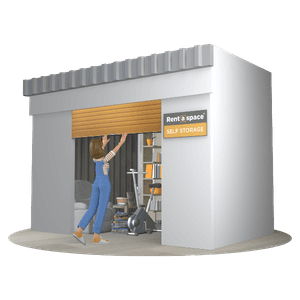
Storage is often associated with stress or indecision. In reality, it can support clarity.
Using personal storage while you settle allows you to:
- Move in without overcrowding rooms
- Take time decorating without living in mess
- Decide what fits your new space emotionally and practically
- Bring belongings home gradually, as needed
This is especially helpful if you’ve downsized, moved after a life change, or are redefining how you want your home to feel.
Nothing is lost. Nothing is rushed. You stay in control.
Step 5: Let your new home guide what comes back
Once you’ve lived in your new home for a little while, decisions often become easier.
You might realise you don’t miss certain things. Or that a piece you loved before no longer suits the space. Or that you want more openness than you expected.
If items are in storage, you can revisit them when you’re ready. Bring back what fits. Let go of what doesn’t.
This gradual process is far gentler than trying to recreate your old home immediately.
Step 6: Keep organisation simple and flexible
You don’t need a perfect system from day one. Avoid over-organising early. Instead:
- Use temporary solutions at first
- See how you naturally use spaces
- Adjust storage as your routines settle
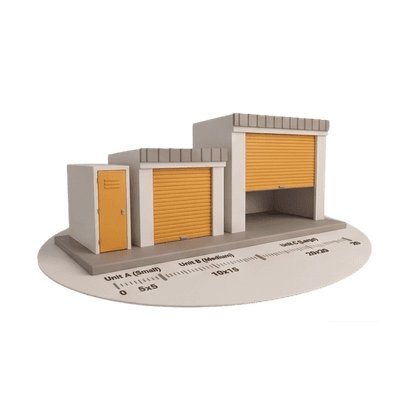
If you need help choosing the right unit size or working out what fits comfortably, size guides and organisation resources can help you plan without overcommitting.
Flexibility matters more than perfection.
A calmer way to begin again
Setting up a new home is not a race.
You’re allowed to:
- Unpack slowly
- Live with space before filling it
- Change your mind
- Store things while you decide
- Create a home that fits who you are now
Is your goal a capsule wardrobe or minimalist home designs? Storage containers exist to support transitions like these — not to rush them, but to give you room to settle in with clarity.
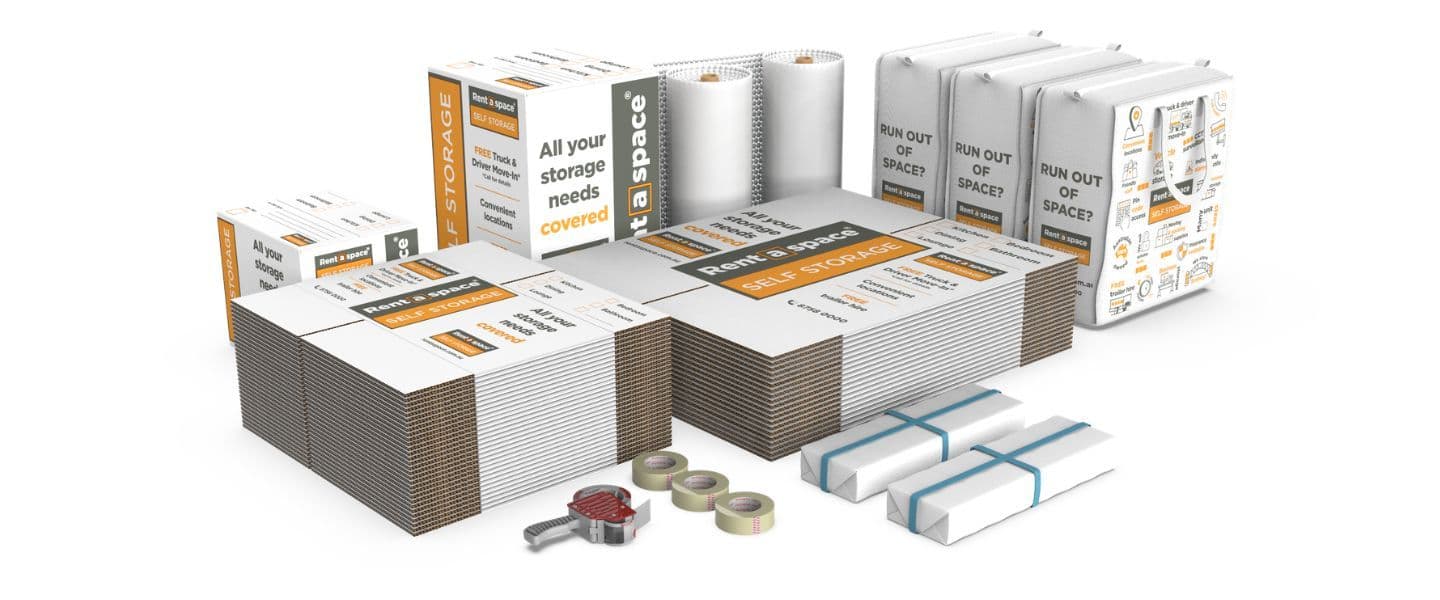
When you create space first, everything else finds its place more naturally. Rent a Space offers personal storage, trailer hire, and a box shop you can count on for supplies.
New home checklist? Book services earlier than you think

Read our blog: The Emotional Side of Downsizing: Tips to Make it Easier.
We have a range of storage unit sizes to support your mobile storage, caravan storage, or car storage.
Contact us today for storage solutions you’ll be happy with.