



Using self storage often goes hand in hand with change — moving house, renovating, downsizing, or managing business stock. While storage facilities are designed to be clean and secure, one detail is often misunderstood: storage insurance is not automatic.
In Australia, goods placed into a storage unit remain the responsibility of the storer. That’s why understanding how insurance works, and when protection matters, is an important part of storing with confidence and peace of mind.
What is storage customer goods insurance?
Storage customer goods insurance refers to protection for household items or business goods while they are kept in commercial storage. Many home contents insurance or contents insurance policies are designed around items being kept at a residential address. Once belongings are moved off-site, cover may be limited, capped, or excluded altogether unless specific conditions are met under the insurance policy.
Storage insurance helps bridge this gap by responding to certain insured events that may occur while goods are in storage, based on a nominated or declared value.
How storage insurance differs from contents insurance
Standard contents insurance cover may provide limited protection for items temporarily removed from the home, but this often comes with restrictions. Some insurance providers require advance notification, apply lower limits, or exclude longer-term storage entirely.
For this reason, relying on a home contents policy alone can leave gaps once items are placed into a storage unit.
What storage insurance usually covers
While inclusions vary between providers and policies, storage insurance is generally designed to respond to sudden and unexpected events, such as:
- Fire or smoke damage
- Theft following forced entry
- Storm-related damage or certain natural disasters
- Damage caused by events like a burst pipe within the facility
Cover applies to the value you declare, which should reflect the cost of replacing your stored goods on a like-for-like basis.
What storage insurance does not cover
Storage insurance does not provide full cover for every situation. Common exclusions across insurance policies include:
- Wear and tear, rust, mould or mildew
- Damage caused by pests or insects
- Poor packing or inadequate protection
- Accidental damage not linked to an insured event
- Items that are not declared or are not permitted to be stored
Electrical items and delicate goods, such as musical instruments, may also be subject to specific conditions or exclusions depending on the policy terms.
When people consider storage insurance
- Moving house, when household items are stored between properties
- Renovations, where furniture and valuables are removed to reduce on-site risk
- Downsizing, when items still have value but no longer fit in the home
- Business storage, where stock or equipment is stored away from the primary premises
In each case, insurance provides reassurance that goods are protected if something unexpected occurs while they are in storage.
StoreProtect: protection designed for self storage
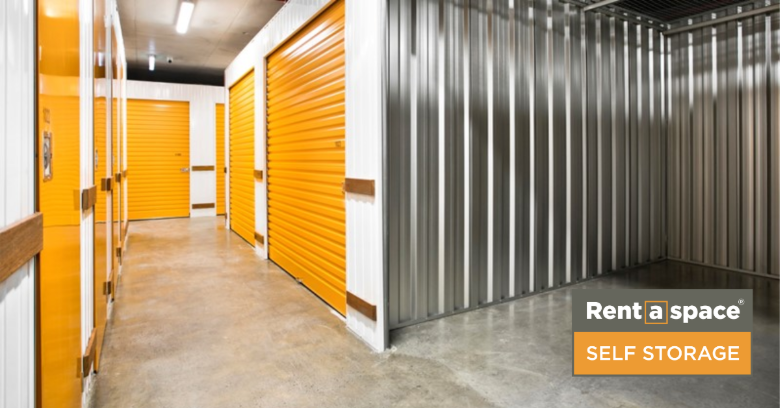
Rent a Space offers StoreProtect, an enhanced contractual liability arrangement created specifically for goods stored in its self storage facilities.
While goods are in storage, they are stored at the storer’s risk. StoreProtect allows customers to purchase additional liability protection for stored goods, subject to terms and conditions, providing extra confidence beyond standard licence terms.
If goods are lost or damaged, customers who opt for StoreProtect can request that the storage facility operator investigate the cause. Where it is determined that the loss or damage occurred due to a cause that could reasonably have been prevented by the operator, the standard contractual liability limitation in the licence agreement may be replaced with enhanced liability — up to the customer’s declared value.
For most goods, liability under this is accepted on a new replacement basis, meaning replacement is based on the cost of replacing items with new equivalents.
To benefit from StoreProtect, customers must declare an appropriate Maximum Replacement Value that covers all goods always stored. This value should reflect the total replacement cost of the items in the storage unit.
Full details are set out in the Self Storage Licence Agreement and StoreProtect Addendum, including the applicable Target Market Determination and references to the Product Disclosure Statement where relevant. For more information, visit our StoreProtect FAQ’s.
Secure facilities, supported by protection
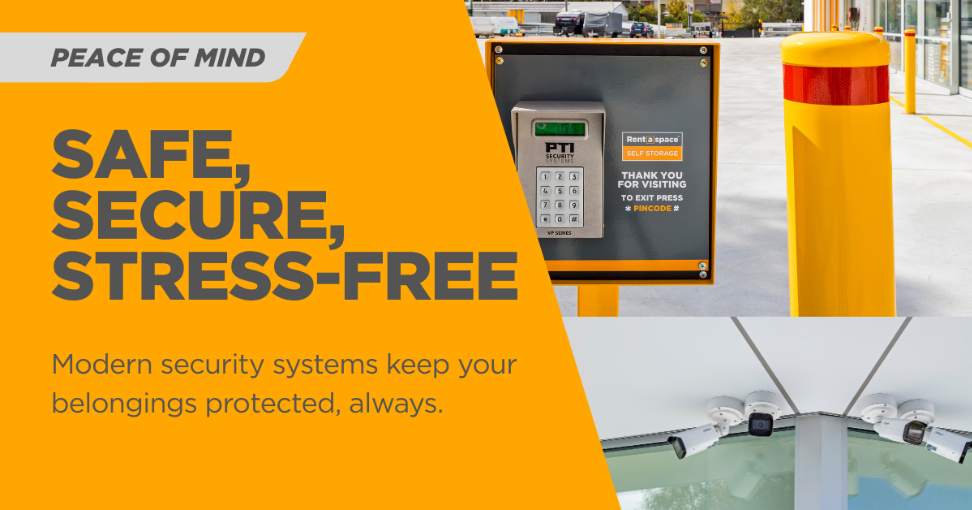
Rent a Space is known for clean, well-maintained and secure self storage facilities, with features such as individually alarmed units and controlled access. While strong security reduces risk, it does not remove it entirely.
That’s why protection options like StoreProtect play an important role in a complete storage solution. For practical advice on storing valuable or delicate items, visit the Rent a Space Blog.
Keeping storage simple and clear
Understanding what protection cover includes and how it applies while items are in commercial storage helps customers make informed decisions — especially during times of change.
Talk to Rent a Space about storage protection
If you’re planning to store personal or business items and want clarity around storage protection, the Rent a Space team can help explain your options.
Contact us by calling 8758 0000 or emailing [email protected] to speak with a storage expert. You can also request an Instant Quote and explore self storage solutions designed to protect your goods and provide peace of mind while they’re stored.
We help with business storage, mobile storage, boat storage, car storage, and more.