When you’re starting or growing a business, the challenge can be where to put everything! Stockpiles up, tools take over spare rooms, and suddenly working from home feels cramped.
Can you run a business from a storage unit? The short answer is yes, within limits.
Across Sydney, the ACT and beyond, storage units are widely used by small businesses, side hustlers and eCommerce sellers. They’re not offices or shops, but they can be a practical base for storing, organising and preparing goods.
This guide explains what’s allowed, what isn’t, and how businesses use storage the right way.
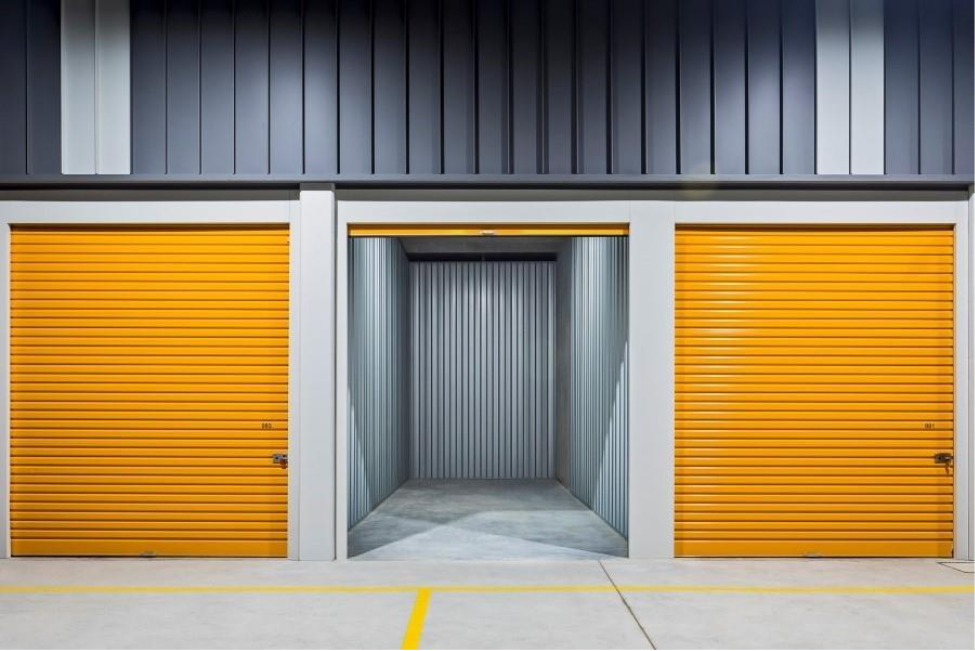
Using a storage unit for business doesn’t mean operating your business inside it all day. In most cases, it means:
Storage units are designed to support storage-based activity, not full operations.
They are not intended to be:
Many Australian businesses rely on storage as part of their setup.
ECommerce and online sellers. Storage units work well for holding inventory, packaging materials, returns and seasonal stock without taking over the house.
Trades and service businesses. Tradies often store tools, spare parts and consumables off-site to keep vehicles lighter and homes clear.
Market, event and pop-up traders. Stalls, signage and merchandise need somewhere secure between events.
Office-based businesses with physical assets. Some businesses don’t need an office but still need space for files, IT equipment or marketing materials.
Most business-friendly storage facilities allow activity that is quiet, safe and storage-focused.
This suits businesses that operate elsewhere but need reliable space behind the scenes.
There are clear limits, and they matter.
Storage units are generally not suitable for:
If your business needs staff on site, customer foot traffic or ongoing production, a commercial premises is the better fit.

Storage sits neatly between working from home and leasing commercial space.
Flexible terms
Month-to-month agreements make it easy to scale up or down as your business changes.
Lower overheads
Storage is usually far more affordable than warehouses or industrial leases.
Security and access
Quality facilities offer individually alarmed units, CCTV security cameras and secure PIN access, with consistent access hours.
You’ll have peace of mind without managing your own site. Many businesses use storage as a support hub, not a place to work. Storage handles:
For meetings, some storage providers offer shared facilities. Rent A Space customers, for example, have free use of air-conditioned meeting rooms, equipped with large screen TVs, a fridge and coffee maker, with complimentary tea, coffee and water. It’s a practical way to meet clients without turning a storage unit into an office.
In Australia, it depends on how the unit is used. Using storage for stock, tools and business support activities is generally acceptable. Issues arise when a unit is used as a shop, office or production space.
Council zoning, facility rules and insurance conditions all play a role, which is why it’s important to:
Before you open, you should have a services agreement prepared for customers who want to use storage facilities. The contract will detail the terms and conditions of your use of the space, like the length of the rental, payment terms, customer expectations, and any waivers of liability.
You’ll want to check with the Australian Business License and Information Service or speak to your local council to identify what business licenses you might need and how to apply.
Business owners remain responsible for their goods while in storage.
It’s important to check:
Rent a Space offers liability protection under StoreProtect, an enhanced contractual liability agreement that allows you to purchase additional protection for stored goods (subject to terms and conditions).
How do you pick a storage size? The right unit size helps avoid wasted space or frequent moves. As a guide:
Inspecting the space and speaking with the facility manager can help you choose correctly from the start.
Read our blog: Self-Storage vs Warehouse: Which Is Better for Your Business?
Rent A Space supports businesses with:
Explore our business storage solutions.
You can’t run every part of a business from a self-storage unit, but you can use one as a smart, flexible base for stock, tools and equipment.
For small businesses and side hustlers, storage offers breathing room to grow without taking on unnecessary overheads.
Contact us by calling 8758 0000.for an instant quote! From security features to drive-up access and a climate-controlled unit, all of your business operations are covered.
Use our self storage calculator for an estimate.
No. Storage units are not retail spaces.
Short visits to access or organise goods are fine, but storage units aren’t designed as workspaces.
Yes, packing and preparing orders is generally acceptable if it’s quiet and storage-focused.
Most businesses use a home or virtual address instead.